
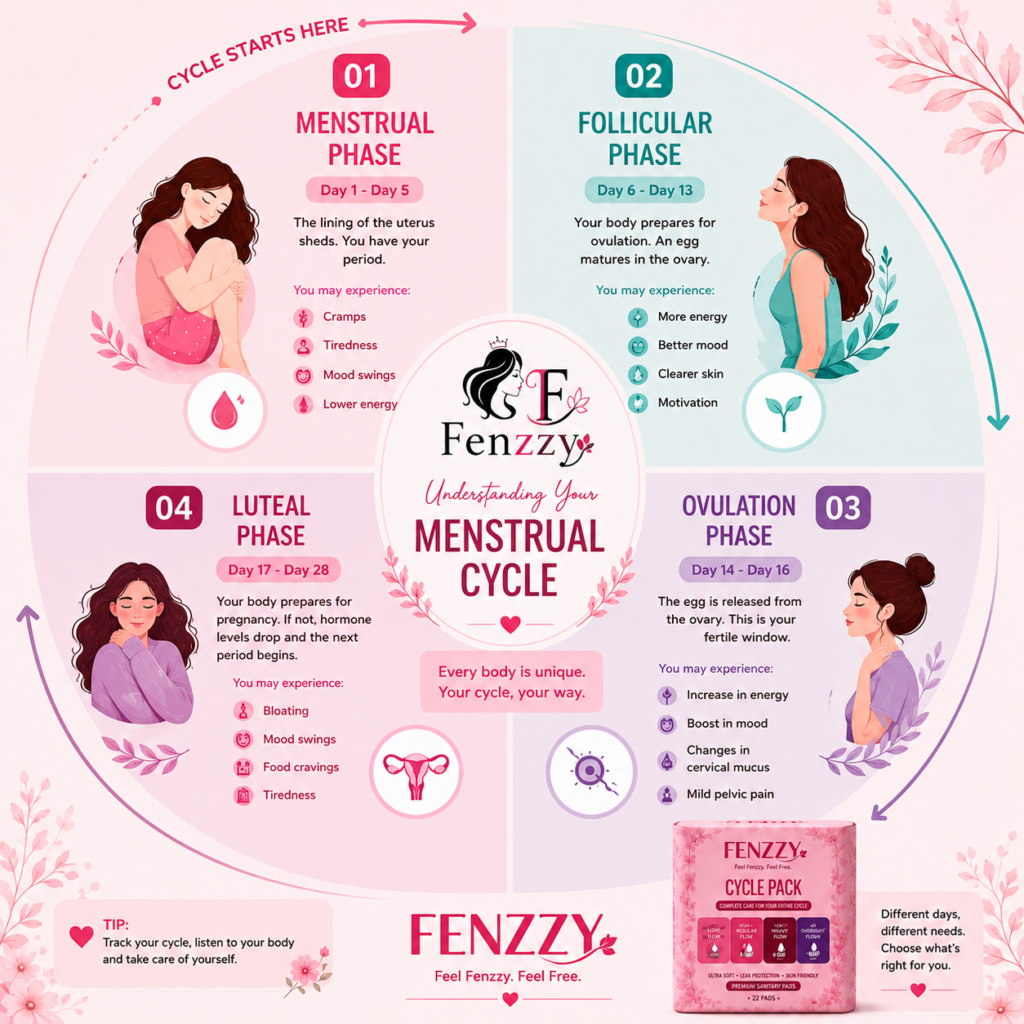
Your menstrual cycle is a natural process that happens as your body prepares for a possible pregnancy. It is not just the few days when you have your period—it is a complete cycle involving hormonal changes, ovulation, and changes in the uterus. Understanding your cycle can help you recognize your body’s natural patterns, prepare for your period, and make better menstrual-care choices. Remember, every person’s cycle is different, and the length, flow, and symptoms can vary from person to person and may also change from one cycle to another.
What Is a Menstrual Cycle?
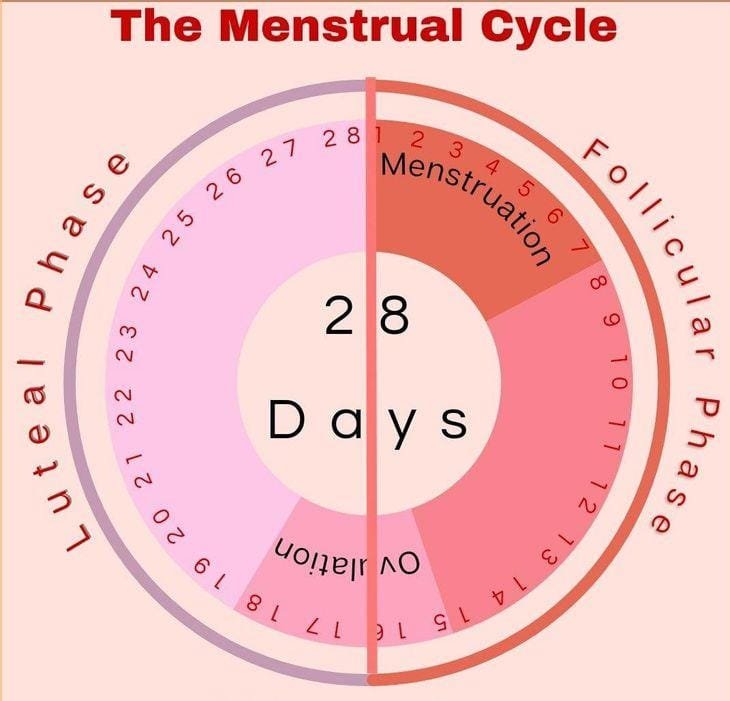
The menstrual cycle starts on the first day of your period and continues until the day before your next period begins. During this time, your body goes through several hormonal changes.
A cycle has four main phases:
Menstrual Phase → Follicular Phase → Ovulation → Luteal Phase
These phases work together as your body prepares for a possible pregnancy.
1. Menstrual Phase – Your Period
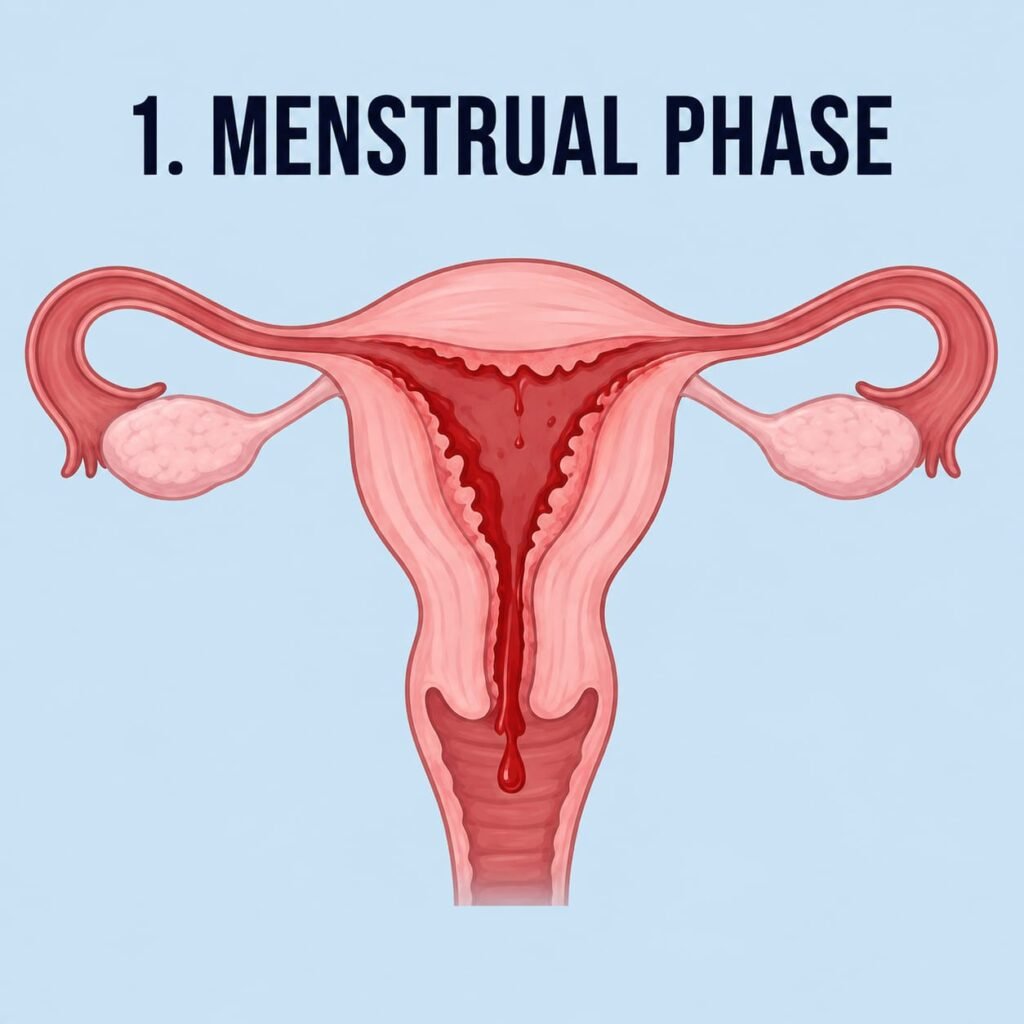
This is the phase most people commonly think of as “the period.” During this stage, the lining of the uterus is shed and leaves the body as menstrual blood.
You may experience:
- Bleeding
- Cramps
- Lower energy
- Backache
- Mood changes
- Feeling tired
Your flow may also change during these days. Some days can be heavier, while others may be lighter. Choosing menstrual protection according to your flow can help you stay comfortable and confident.
2. Follicular Phase – Your Body Prepares
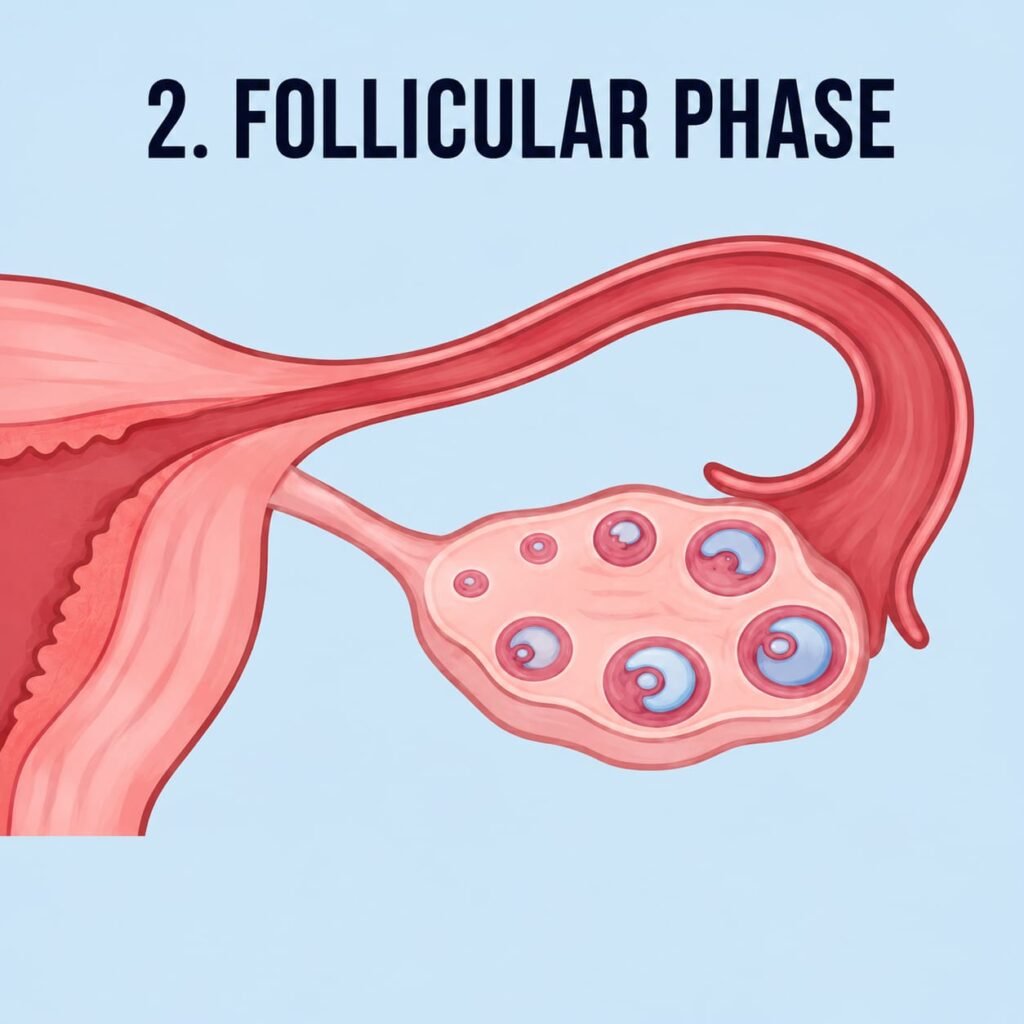
The follicular phase begins on the first day of your period and continues until ovulation. During this phase, hormones encourage an egg to develop in the ovary, while the lining of the uterus starts building up again.
As the phase progresses, some people may notice that their energy and mood improve. This is a good time to continue your normal routine and listen to what your body needs.
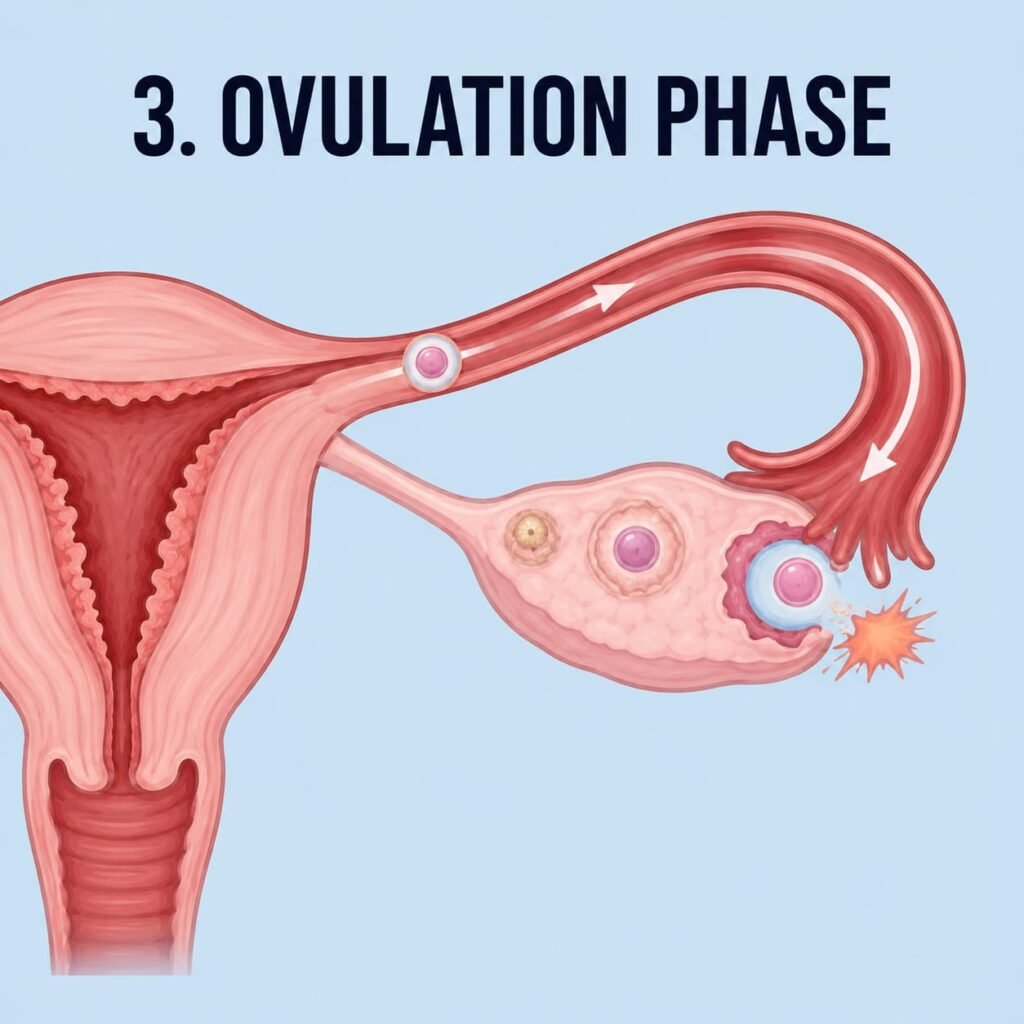
3. Ovulation Phase – The Egg Is Released
Ovulation occurs when an ovary releases an egg. The timing of ovulation can vary from person to person and from cycle to cycle.
Some people may notice changes around ovulation, such as:
- Changes in cervical mucus
- Mild lower abdominal discomfort
- Changes in energy
- Changes in mood
Ovulation is also an important part of understanding fertility, as pregnancy can occur when sperm meets an egg during the fertile window.
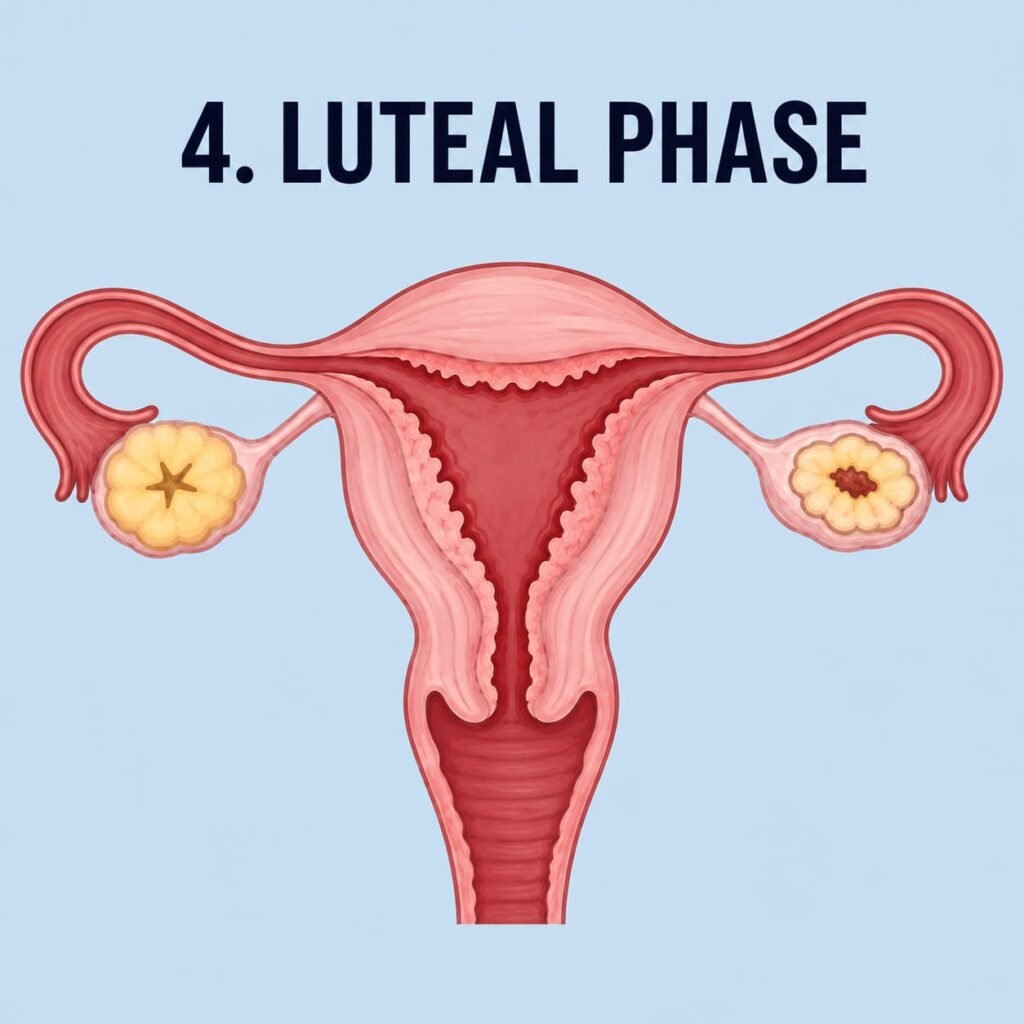
4. Luteal Phase – Getting Ready for the Next Period
After ovulation, the body enters the luteal phase. Hormones change as the body prepares for a possible pregnancy.
If pregnancy does not occur, hormone levels eventually fall and the next period begins.
Some people experience PMS (premenstrual syndrome) during this phase, including:
- Bloating
- Breast tenderness
- Mood changes
- Food cravings
- Headaches
- Tiredness
These symptoms can vary greatly from person to person.
How to Track Your Cycle
Tracking your period is a simple way to understand your body’s pattern. You can use a calendar, notebook, or period-tracking app.
Keep track of:
- The first day of your period
- How many days your period lasts
- Light or heavy-flow days
- Cramps and other symptoms
- The date your next period begins
Over time, this can help you understand what is normal for your body and notice significant changes.
Choose Protection According to Your Flow
Your flow may not remain the same throughout your period. You might experience light flow on some days, regular flow on others, heavier flow on another day, and different needs at night.
That’s where the Fenzzy Cycle Pack can make period care more convenient. It brings different protection options together, helping you choose according to your flow throughout your cycle.
Light Flow → Regular Flow → Heavy Flow → Overnight
Instead of using the same type of protection for every day, you can choose what feels most suitable for each stage.
age.
Simple Ways to Care for Yourself During Your Cycle
Good menstrual care is about understanding your body and giving yourself the comfort you need.
- Change your sanitary pad regularly.
- Choose the right pad for your flow.
- Keep your intimate area clean and dry.
- Drink enough water.
- Eat a balanced and nutritious diet.
- Get enough sleep and rest.
- Stay active if you feel comfortable.
- Track your cycle regularly.
- Pay attention to unusual changes.
If you experience unusually heavy bleeding, severe pain, or significant changes in your usual cycle, consider speaking with a healthcare professional.
Understanding your menstrual cycle is one of the simplest ways to become more aware of your body. Your period, energy, mood, and symptoms can change throughout the cycle, and that’s completely individual. By tracking your cycle and choosing menstrual protection according to your flow, you can feel more prepared and comfortable throughout the month.